


I’m about to become a Product Owner in a banking environment, on the webmastering side. On Drupal. And honestly, that’s what my technical watch evenings are all about right now.
My first reaction, honestly: a bit of anticipated cold sweat. After years of tinkering with WordPress on Pixevent, with SiteGround pushing AI plugins on me without asking, I’m about to land in a world where every config line seems to weigh three tons. My morning coffee will probably taste different the day I know that behind my screen sits real people’s banking data.
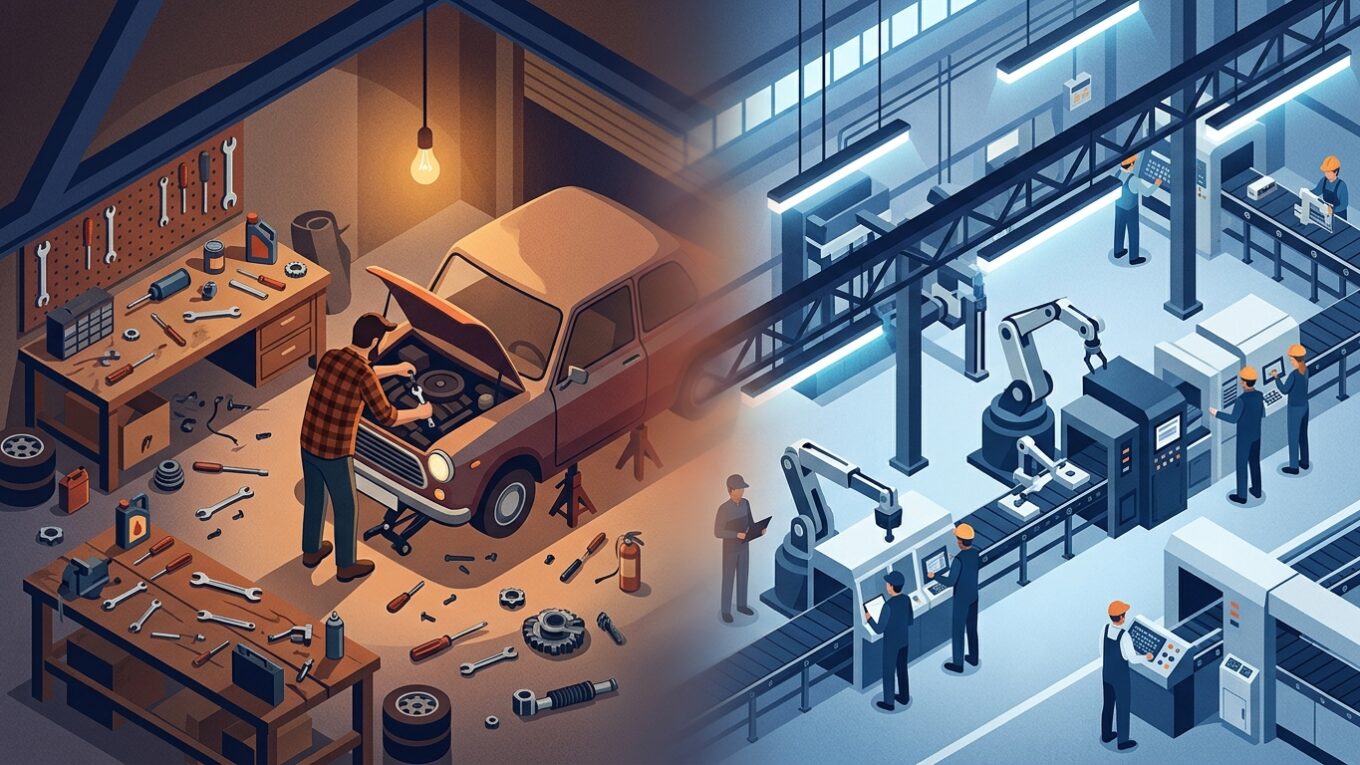
WordPress Is My Garage. Drupal Is the Factory
I won’t lie to you. I love WordPress. It’s my personal playground, my garage car that I fix up in the evening with a Coke Zero next to the keyboard. It hacks together fast, deploys fast, forgives mistakes.
A bank forgives nothing. Zero tolerance for flaws. Zero rounds of “we’ll deal with security later.”
And that’s where Drupal changes status. This CMS that many find heavy, austere, almost outdated next to WordPress’s fluidity, suddenly becomes an obvious choice.
Why Banks Love Drupal
Not out of nostalgia. Out of calculation.
First, permission management. In Drupal, you can carve up user roles with surgical precision. Who can publish, who can just review, who can touch the code. In a banking environment, this level of granularity isn’t a luxury, it’s a regulatory requirement.
Then there’s the security cycle. Drupal’s security team handles vulnerabilities with almost military rigor. Coordinated disclosures, patches released in sync, a public history you can check. Compared to that, the WordPress plugin ecosystem sometimes feels like a flea market where anyone sells anything.
Third point, less technical but just as important: auditability. An auditor showing up with a compliance checklist will always prefer a well-structured Drupal architecture over a Frankenstein of WordPress plugins piled up over the years by three developers who never talked to each other.
The Real Cost Lies Elsewhere
So no, Drupal isn’t magic. The learning curve is steep. Genuinely steep. Just reading the docs these past few days, I felt like I was relearning how to ride a bike with skis on.
But the real cost of a CMS is never the entry price. It’s what happens afterward, when things go sideways. A security incident on a banking platform doesn’t just bruise the Product Owner’s ego. It makes headlines, triggers audits, costs a fortune in reputation.
Drupal handles that kind of scenario better. Not because it’s perfect, but because its entire architecture was built for environments where mistakes are expensive.
What This Means for Me
I’m moving from a world where I’m the only one in charge, where I decide, code, and publish, to a world where every technical decision fits into a framework. Sprints, specs, multi-level approvals. The pace will change. My evening verbena tea probably will too, since the schedule is about to shift.
But there’s one thing I expect to find again, almost identical. That feeling of learning as you go. Like when I landed in Vancouver in 2018 to work in commercial real estate without knowing the local codes. You observe, you ask dumb questions, you eventually crack the system.
Drupal, soon enough, will be a bit like that for me. A new system to decode. And for a future Product Owner who likes understanding why things are built the way they are, rather than just putting up with them, that sounds like fairly stimulating ground.